
Best Toilet Fill Valves
A fill valve is the workhorse inside your toilet tank — it refills the tank after every flush and shuts off cleanly when the water reaches the right level. When it starts to fail, you'll hear a hiss that never quite stops, notice the tank filling on its own in the middle of the night, or watch a slow, weak refill that leaves the tank only half full. Those are all signs that replacement is overdue. If any of those symptoms sound familiar, our guide on why a toilet fill valve keeps running can help you confirm the diagnosis before you buy anything.
The four products below cover the most common repair scenarios: a straight valve swap for a standard two-piece toilet, a quieter option for noise-sensitive households, a combo kit that replaces the flapper at the same time, and a dual-flush converter for anyone who wants to cut water use without buying a new toilet. They are not interchangeable — reading the short comparison section will take two minutes and save you a wasted trip to the hardware store.
One honest caveat: if your tank is cracked, your supply line is corroded, or the shutoff valve behind the toilet won't close fully, no fill valve will fix those problems. Address the shutoff or supply line first — our guide on toilet supply lines and shutoff valves walks through both — and only then tackle the fill valve.
At a Glance
| Product | Pick | Rating | Best for |
|---|---|---|---|
| Fluidmaster 400H Performax Fill Valve | Best Overall | 4.6 ★ | Homeowners replacing a worn or running fill valve in a standard two-piece toilet |
| Korky QuietFILL Platinum Fill Valve | Quietest | 4.5 ★ | Anyone whose main complaint is a loud or hissing tank refill |
| Fluidmaster K-400H-039 Fill Valve & Flapper Kit | Complete kit | 4.6 ★ | Homeowners who haven't replaced either part recently and want to solve a running or slow-fill toilet in one go |
| Danco HydroRight Dual-Flush Converter | Water saver | 4.1 ★ | Homeowners with a functioning fill valve who want to reduce per-flush water use without replacing the toilet |
Our Picks
1. Fluidmaster 400H Performax Fill Valve — the dependable everyday replacement
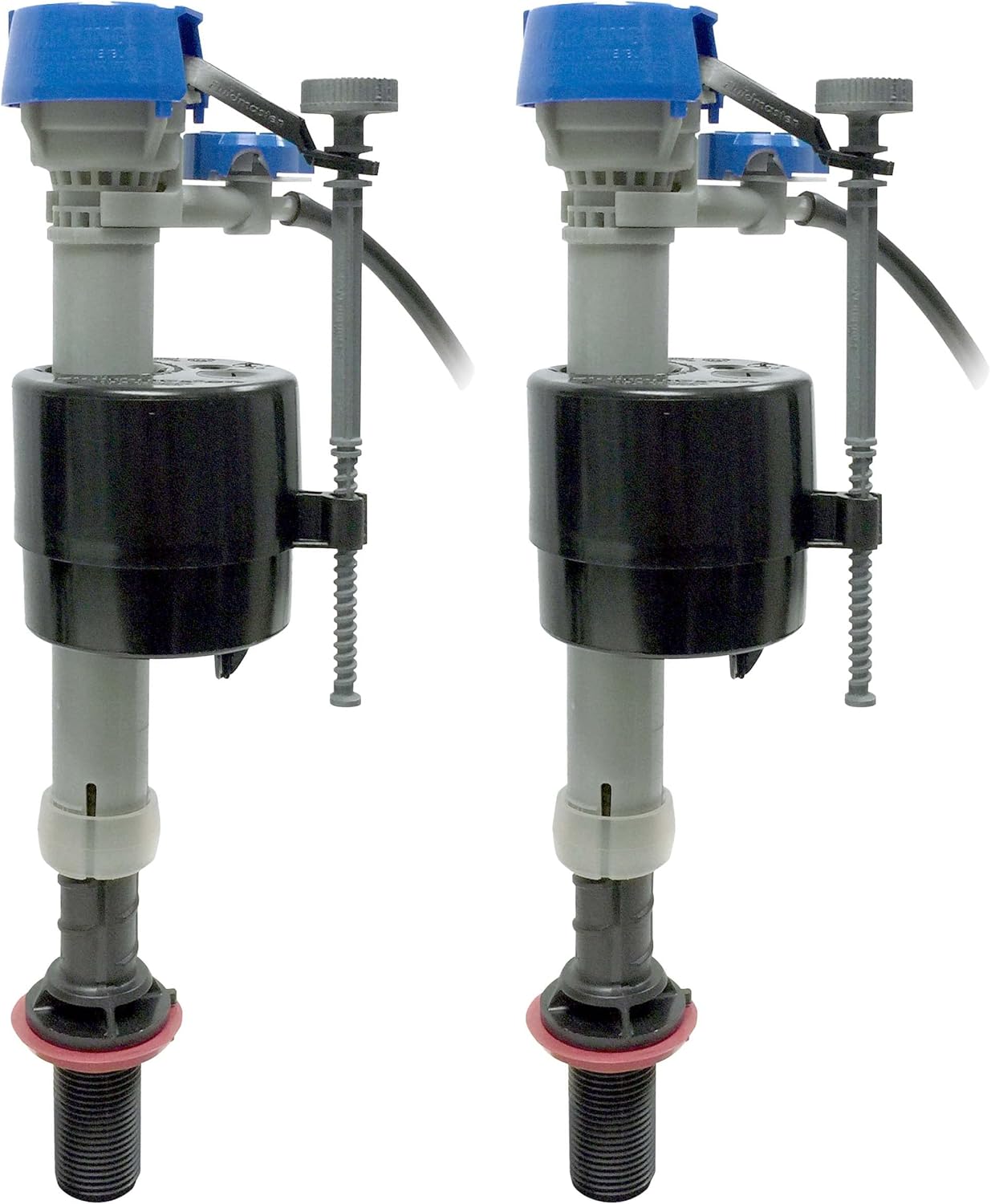
The Fluidmaster 400H Performax is a height-adjustable ballcock replacement designed to fit most two-piece toilets. Its universal shank fits standard tank openings and takes the standard 7/8-inch ballcock supply coupling and the body telescopes to accommodate a range of tank depths. It earns its Best Overall badge because it addresses the three most common failure modes — running, slow fill, and noisy operation — in a single part with a straightforward installation. The main limitation to know: 'universal' covers most tanks but not all, so measure your tank depth before ordering to confirm the valve's adjustable range matches your toilet.
Best for: Homeowners replacing a worn or running fill valve in a standard two-piece toilet
Check price on Amazon →2. Korky QuietFILL Platinum Fill Valve — the quiet-fill specialist
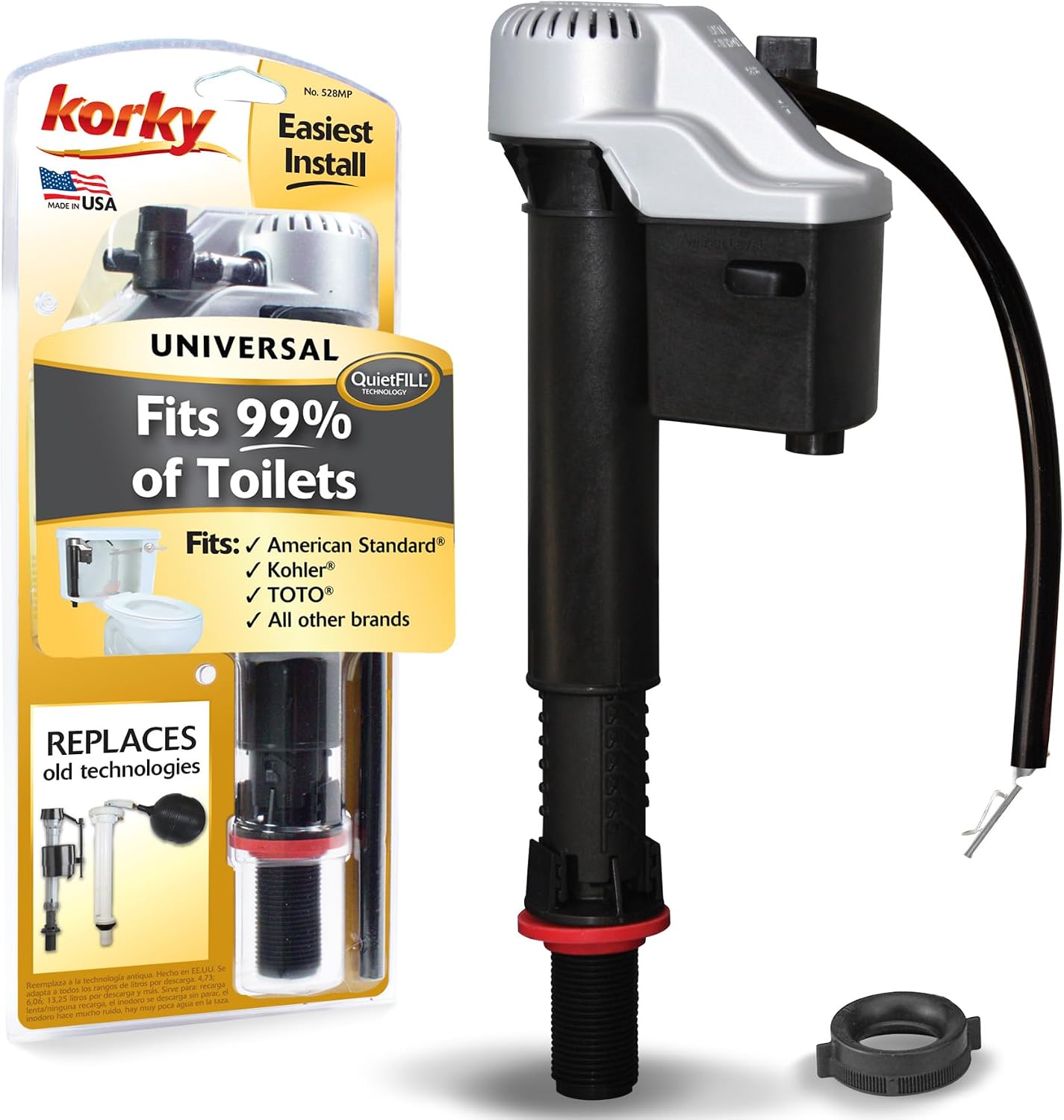
The Korky QuietFILL Platinum is engineered specifically to reduce refill noise, making it the right call for bathrooms adjacent to bedrooms or in open-plan homes where tank noise carries. Like the Fluidmaster 400H, it is height-adjustable and fits most two-piece toilets through a standard tank opening. Its Quietest badge reflects its design priority, but it is still a fill valve replacement in the conventional sense — it does not add dual-flush capability or come bundled with a flapper. If noise is not your primary complaint, the Fluidmaster 400H or the combo kit may be a better fit.
Best for: Anyone whose main complaint is a loud or hissing tank refill
Check price on Amazon →3. Fluidmaster K-400H-039 Fill Valve & Flapper Kit — the one-stop repair kit
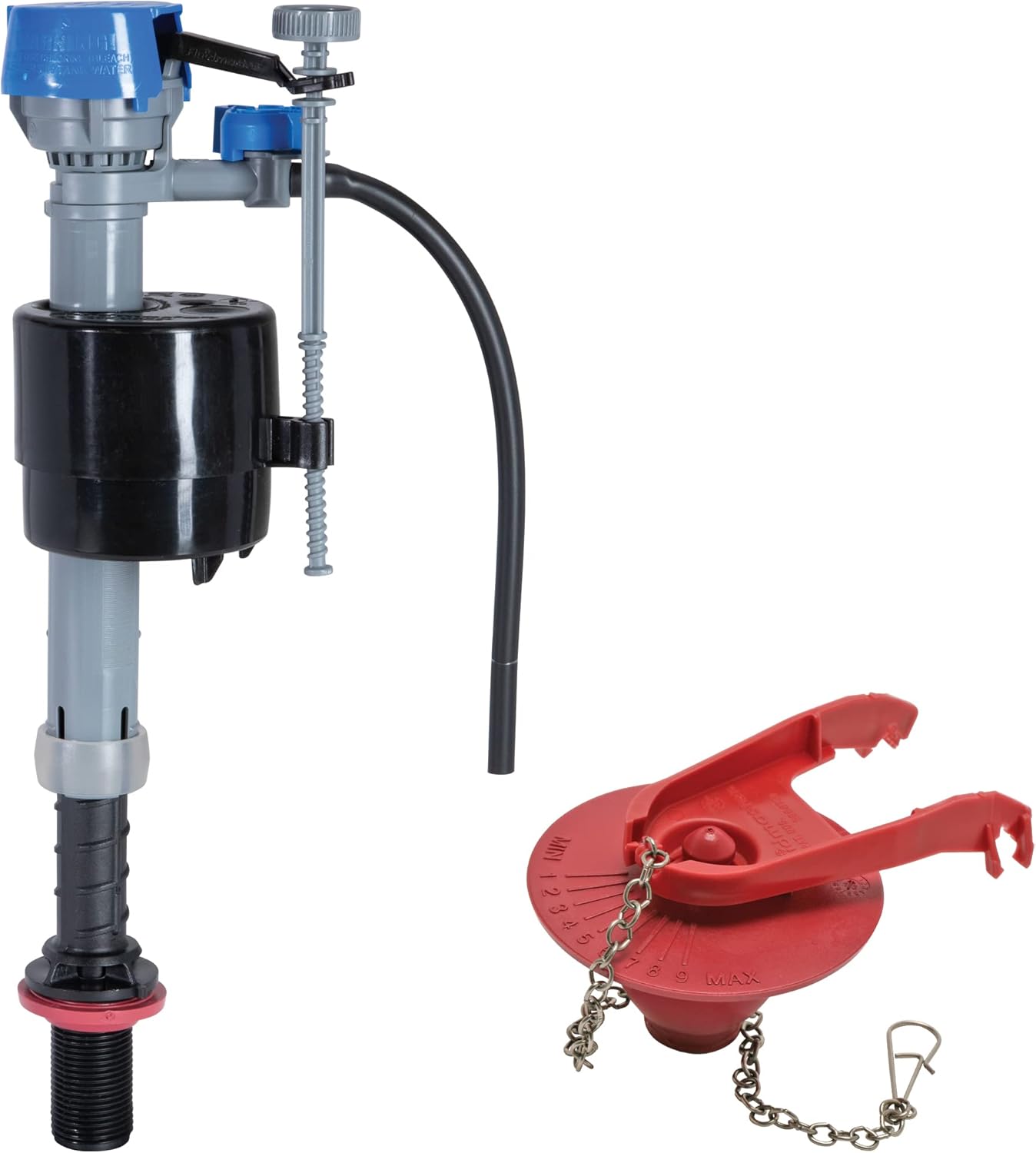
The Fluidmaster K-400H-039 pairs a fill valve with a matching flapper, which matters because a leaking flapper is the most common reason a tank seems to refill on its own — replacing only the fill valve while leaving a worn flapper in place often leaves the problem half-solved. This kit earns its Complete Kit badge by tackling both parts in a single purchase and a single trip under the tank. The trade-off is that if your existing flapper is relatively new and sealing well, you are buying a part you do not yet need. Do a dye test first: drop food coloring in the tank and wait ten minutes without flushing — color seeping into the bowl confirms the flapper needs replacing and makes this kit the smart buy.
Best for: Homeowners who haven't replaced either part recently and want to solve a running or slow-fill toilet in one go
Check price on Amazon →4. Danco HydroRight Dual-Flush Converter — the water-saving retrofit
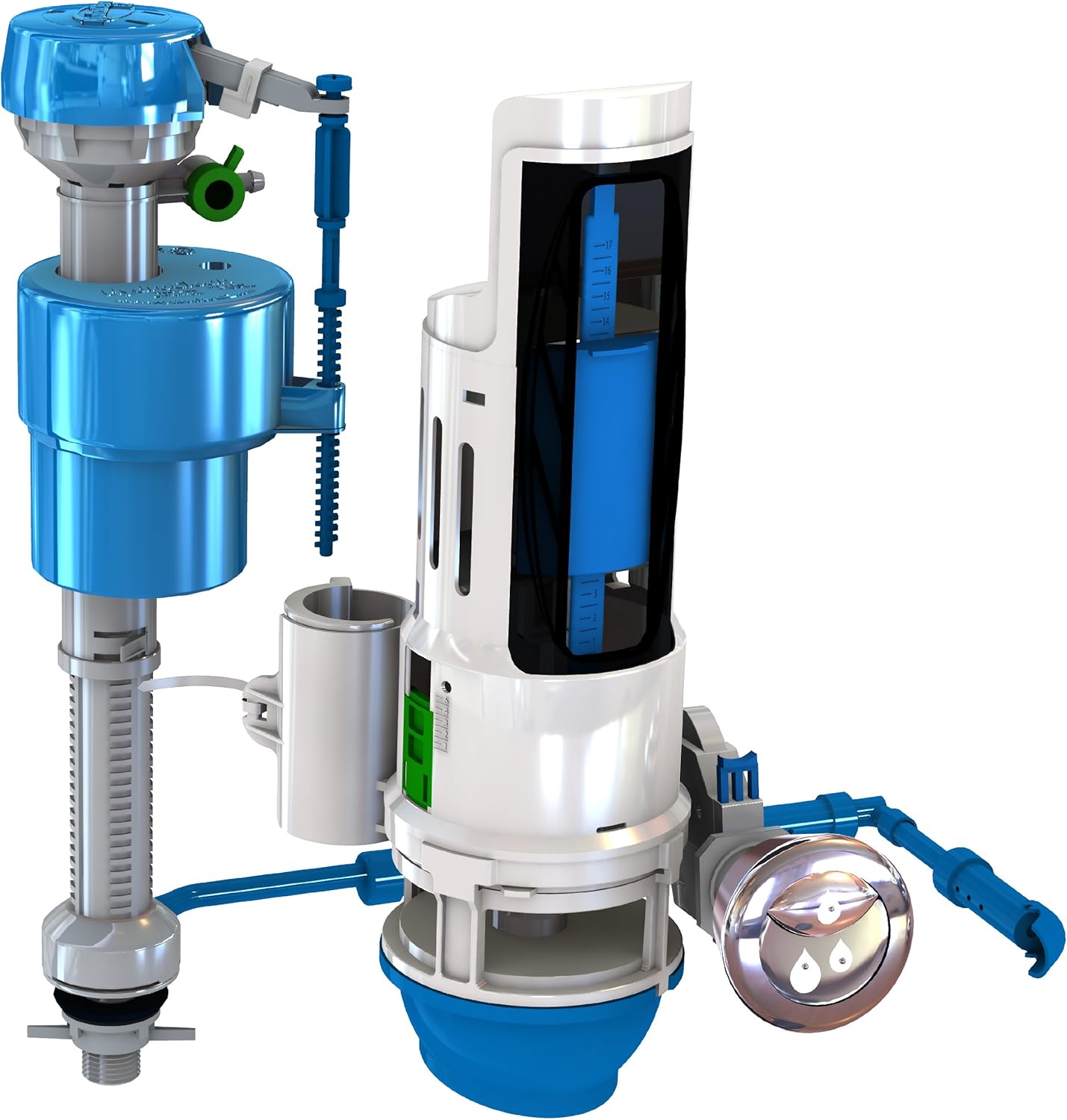
The Danco HydroRight is not a fill valve replacement in the traditional sense — it is a dual-flush converter that replaces the flush handle and flapper mechanism to give you a half-flush option for liquid waste and a full flush for solid waste. It installs inside the tank and is designed to work with the existing fill valve, so it addresses water consumption rather than fill-valve failure. Its Water Saver badge is earned, but its 4.1 Amazon rating is the lowest of the four products here, and it is a more involved installation than a straightforward valve swap. If your fill valve is actively failing — running, hissing, or not shutting off — fix that first; this converter is a separate upgrade decision.
Best for: Homeowners with a functioning fill valve who want to reduce per-flush water use without replacing the toilet
Check price on Amazon →How to Choose the Right Fill Valve
Start by identifying your actual problem. A tank that hisses continuously, refills on its own, or fills slowly points to a failing fill valve — see our full symptom list in the article on toilet hissing after flushing. A toilet that flushes weakly or incompletely is usually a flapper or flush-volume issue rather than a fill valve problem, and the Danco dual-flush converter won't help there either. Matching the product to the symptom is the single most important decision you'll make.
Measure before you buy
All three fill valves on this list are described as universal, and they do fit most standard two-piece toilets — but 'most' is not 'all.' Each valve adjusts across a height range, and your tank depth must fall within that range for the valve to position correctly. Before ordering, measure the inside depth of your tank from the bottom of the tank to the top of the overflow tube, then confirm the valve's adjustable range covers that measurement. Assuming it will fit without measuring is the most common cause of a wasted return trip.
The critical-level mark and anti-siphon safety
Every fill valve carries a critical-level (CL) mark on the body. After installation, that mark must sit at least 1 inch above the top of the overflow tube — this is not a preference, it is an anti-siphon requirement. The water line in the tank sits below the top of the overflow tube; the valve body and its CL mark must clear it. When you are setting the valve height during installation, verify this clearance before tightening anything permanently.
Should you replace the flapper at the same time?
If you haven't replaced your flapper recently, the Fluidmaster combo kit is worth considering. A deteriorating flapper causes phantom refills that look exactly like fill valve failure, and replacing only the valve while leaving a worn flapper behind often means calling the job done prematurely. A simple dye test — food coloring in the tank, ten minutes of waiting, no flushing — will tell you whether the flapper is leaking. Color in the bowl means it is. Our companion guide on toilet flappers and flush parts has more detail on flapper selection if you want to buy the two parts separately.
Installation essentials
Regardless of which valve you choose, the procedure starts the same way: close the shutoff valve, flush to drain the tank, and sponge out the last inch of standing water so you can work on a dry surface. The locknut that secures the valve shank under the tank should be tightened by hand, then given a quarter turn with pliers — no more. Porcelain tanks crack under overtightening, and a cracked tank is not a fill valve problem anymore. For a full walkthrough of the swap, our step-by-step guide on how to replace a toilet fill valve covers every stage of the job.
Frequently Asked Questions
How do I know if my fill valve is the problem or if it's the flapper?
Start with a dye test: add a few drops of food coloring to the tank and wait ten minutes without flushing. If color appears in the bowl, the flapper is leaking and letting water out, which forces the fill valve to refill the tank repeatedly. If no color appears in the bowl but the tank still hisses or the valve never fully shuts off, the fill valve itself is the likely culprit. In many cases both parts are worn, which is why a combo kit can be the practical choice.
Where exactly should the water level sit after I install a new fill valve?
The water line should sit approximately 1 inch below the top of the overflow tube — that gap prevents water from running continuously into the bowl. The fill valve's critical-level (CL) mark, however, must be positioned at least 1 inch above the top of the overflow tube. These are two different reference points: the water line is below the tube rim, and the CL mark on the valve body is above it. If your water level needs adjustment after installation, our guide on how to adjust toilet tank water level explains the adjustment process for common valve types.
Can I install any of these valves myself, or do I need a plumber?
A straightforward fill valve replacement on a standard two-piece toilet is a well-documented DIY repair that most homeowners can complete with an adjustable wrench and a sponge. The Danco dual-flush converter is a more involved swap because it replaces both the flush mechanism and the flapper, not just the fill valve. Where you should call a plumber: if the shutoff valve behind the toilet won't fully close, if the tank itself is cracked, or if you find corrosion at the supply line connection that extends into the floor or wall.
The locknut was really tight when I removed the old valve — how tight should I make the new one?
Hand-tight plus a quarter turn with pliers is the correct torque for the locknut that secures the valve shank under the tank. Porcelain is brittle, and the tank can crack if you overtighten. If the connection leaks after a quarter turn, add another small increment — but resist the impulse to keep cranking. A slow drip at the shank is more often a sign of a damaged or missing washer than insufficient tightening force.
Will the Danco HydroRight work with any toilet?
The HydroRight is designed to retrofit into most standard two-piece toilets, but it replaces the flush handle and the flapper mechanism, so compatibility depends on your tank geometry and the existing flush valve seat. It is not a fill valve replacement and does not address fill valve symptoms like hissing or slow refill. If your toilet is a one-piece model or uses a tower-style flush valve, check the manufacturer's compatibility notes carefully before purchasing. When in doubt, a slow or weak flush is more often a flush valve or drain issue — our article on why a toilet flushes slowly can help you rule out other causes first.
This guide contains affiliate links. We may earn a small commission at no extra cost to you.