
Toilet Flappers, Chains & Flush Levers
A running toilet, a dead-feeling flush handle, or a chain that keeps snagging — these are among the most common household plumbing complaints, and in most cases the fix is one small part and takes under thirty minutes. The four products in this guide cover the three components most likely to be causing your problem: the flapper that seals water in the tank, the chain that connects flapper to lever, and the lever itself. Understanding which piece has failed — and picking the right replacement — is most of what separates a successful DIY fix from a second trip to the hardware store.
These parts work as a system. A new flapper won't stop a phantom flush if a kinked chain is holding it slightly open. A smooth new lever won't help if the old chain is too short to give it any slack. Read through the how-to-choose section before you order so you're replacing only what actually needs replacing. If you've already confirmed the flapper, chain, and lever are all fine and the toilet is still running or draining slowly, the problem is more likely in the fill valve — see our guide to the best toilet fill valves for that diagnosis.
One honest caution: if you have a crack in the flush valve seat itself — the plastic or ceramic ring the flapper presses against — no flapper will seal it reliably. Run your finger around that seat; if it feels rough, chipped, or visibly damaged, the repair has moved beyond these products and into territory that may need a plumber or a full flush-valve replacement.
At a Glance
| Product | Pick | Rating | Best for |
|---|---|---|---|
| Korky 2017BP 2-Inch Flapper | Best Overall | 4.5 ★ | Homeowners with a standard 2-inch flush valve who want a dependable, tool-free flapper replacement |
| Stainless Steel Toilet Flapper Chain | Cheap fix | 4.4 ★ | Anyone whose original chain is visibly corroded, broken, or missing a clip — not just poorly adjusted |
| Hibbent Front-Mount Flush Lever | Front mount | 4.5 ★ | Homeowners with a front-mount tank opening who want a more substantial lever to replace a flimsy or broken original |
| Hibbent Side-Mount Flush Lever | Side mount | 4.2 ★ | Homeowners whose tank handle hole is located on the side panel rather than the front |
Our Picks
1. Korky 2017BP 2-Inch Flapper — the reliable everyday flapper
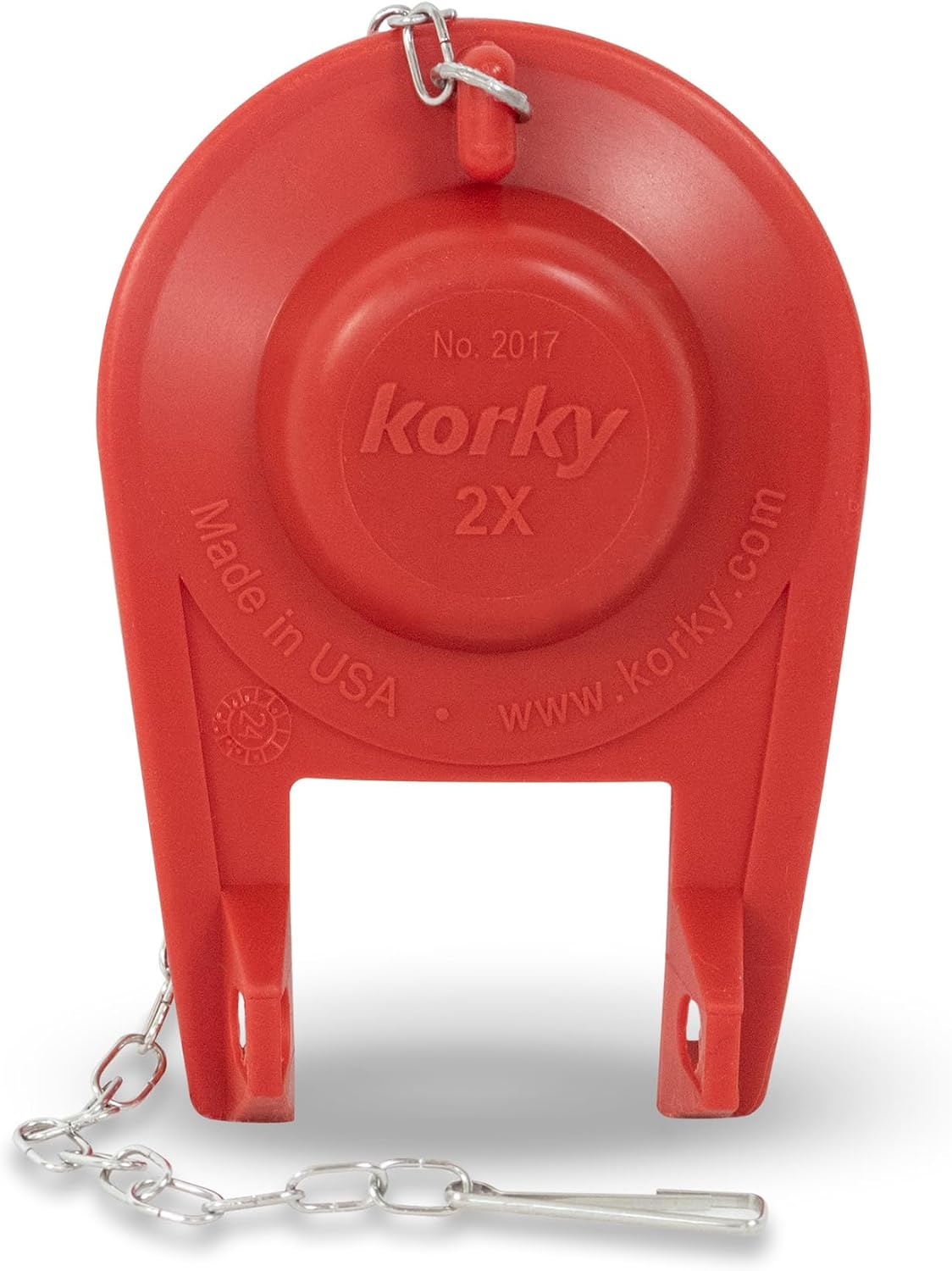
The Korky 2017BP is a 2-inch universal flapper designed to fit a wide range of toilets that use a standard 2-inch flush valve opening. Korky builds this flapper from chlorine-resistant rubber, which gives it more resilience than generic flappers against the hard-water and chemical conditions that cause early warping. It earns the Best Overall badge because it addresses the most common failure point — a leaking or warped flapper — without requiring any special tools or plumbing knowledge to install. The limitation to know upfront: it is a 2-inch flapper only, so if your flush valve opening is closer to the size of a softball or grapefruit, you need a 3-inch flapper instead and this one will not seal correctly.
Best for: Homeowners with a standard 2-inch flush valve who want a dependable, tool-free flapper replacement
Check price on Amazon →2. Stainless Steel Toilet Flapper Chain — the simple chain swap
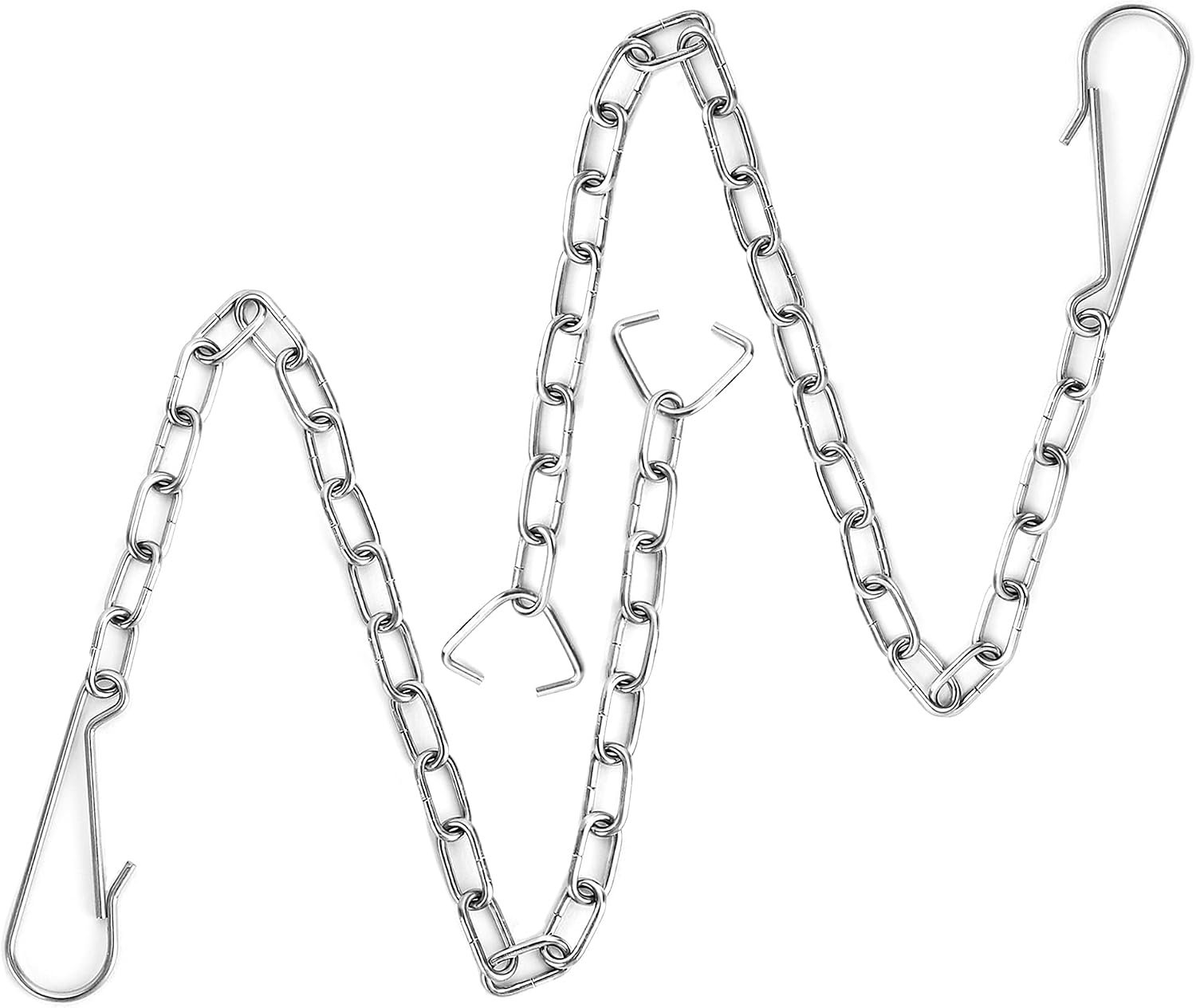
This stainless steel replacement chain from Nurplexl solves the narrow but real problem of a corroded, kinked, or broken flapper chain — the link between your lever and your flapper that determines whether your flush feels responsive or completely dead. Stainless steel resists the rust and mineral buildup that degrades the cheaper metal links found on many original chains. It earns the Cheap Fix badge because a broken or tangled chain is sometimes the entire reason a toilet runs or won't flush properly, and it is one of the simplest parts on the toilet to replace. The honest limitation: if your chain is intact and simply set to the wrong length, you don't need a new chain — you need to adjust the clip position on the existing one, which our guide on fixing a chain that's too long walks through for free.
Best for: Anyone whose original chain is visibly corroded, broken, or missing a clip — not just poorly adjusted
Check price on Amazon →3. Hibbent Front-Mount Flush Lever — the front-mount lever upgrade
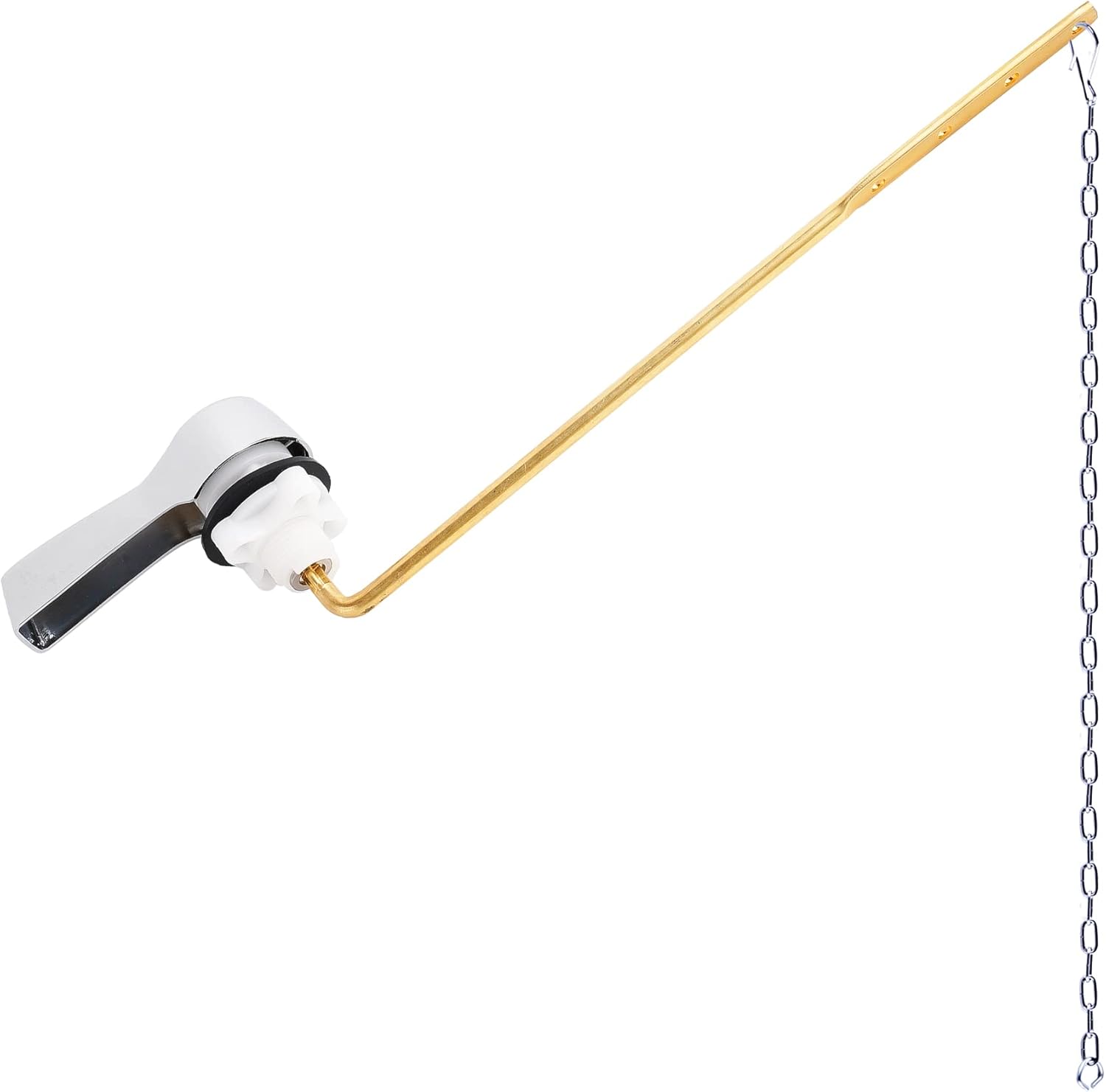
The Hibbent front-mount flush lever is designed for toilets whose tank has a button or handle opening centered on the front face — the most common configuration in North American homes. It offers a more solid feel than the lightweight plastic levers that come stock on many toilets, and the side it is machined for matters: installing a front-mount lever on a side-mount tank will leave you with a handle that either won't reach the chain or sticks out at an awkward angle. Before ordering, confirm your tank's handle hole is on the front panel. If your existing handle is already stiff or unresponsive rather than broken, check our article on stuck or loose flush handles first — the fix may be as simple as tightening a nut.
Best for: Homeowners with a front-mount tank opening who want a more substantial lever to replace a flimsy or broken original
Check price on Amazon →4. Hibbent Side-Mount Flush Lever — the side-mount lever upgrade
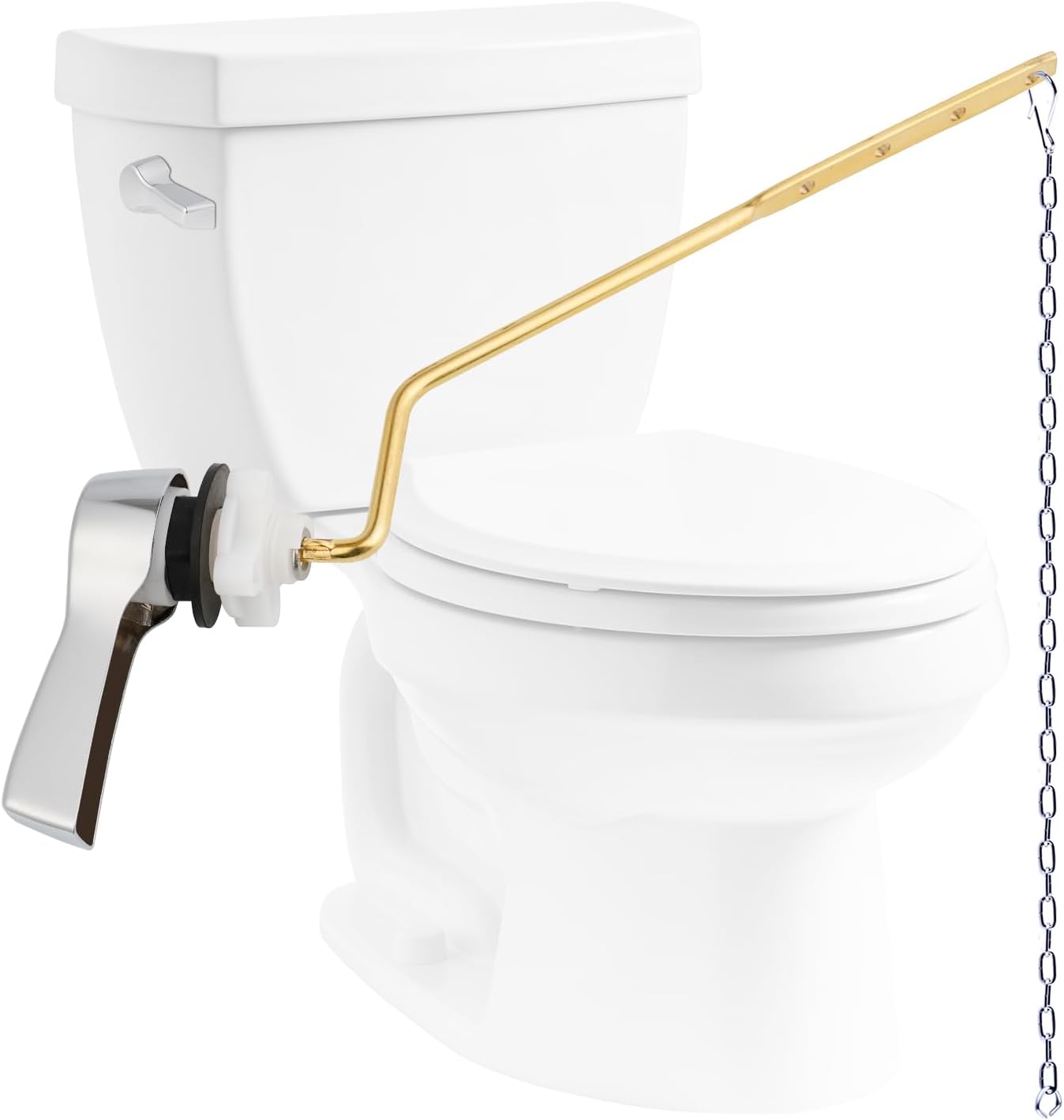
Hibbent's side-mount flush lever is the correct choice when your tank's handle hole sits on one of the side panels rather than the front face — a configuration common on many older and some European-style toilets. It shares the same build approach as Hibbent's front-mount version but is machined to fit the geometry of a side-mounted opening. Its slightly lower Amazon rating compared to the front-mount model likely reflects the smaller pool of side-mount toilets and the occasional compatibility question that comes with less-standard tank shapes, rather than a quality difference. Measure your tank and confirm the hole placement before ordering; returning a lever because you ordered the wrong orientation is a frustrating and avoidable delay.
Best for: Homeowners whose tank handle hole is located on the side panel rather than the front
Check price on Amazon →How to Choose
The right starting point is diagnosing which component has actually failed before you order anything. These three parts — flapper, chain, lever — fail in different ways, and buying all three when only one is broken is unnecessary. A systematic check takes about five minutes.
Diagnosing a leaking flapper
If your toilet is running constantly or you suspect it is losing water silently, run a dye test before buying anything. Add a few drops of food coloring to the tank and wait 15 to 20 minutes without flushing. If color appears in the bowl, your flapper is not sealing and needs replacement. This is the most reliable way to confirm flapper failure rather than guessing. A toilet that refills on its own every few minutes is a classic sign of a slow flapper leak — our article on phantom flushing explains why that happens and what to check.
Measuring for the right flapper size
Flappers come in two standard sizes: 2-inch and 3-inch. Getting this wrong means the flapper will not seal, full stop. To measure, drain the tank and look at the flush valve opening at the bottom — the hole the flapper sits over. If it looks roughly the size of a baseball or an orange, that is a 2-inch valve and the Korky 2017BP will fit. If it looks more like a softball or grapefruit, you need a 3-inch flapper, and none of the flappers in this guide are the right choice. Do not skip this step.
Checking the chain before replacing it
With the tank lid off and the toilet not flushing, look at the chain connecting the lever arm to the flapper. With the flapper closed, there should be roughly half an inch of slack — enough that the flapper sits fully on its seat, but not so much that lifting the lever produces no immediate lift on the flapper. A chain with too much slack gives you a handle that feels unresponsive or requires multiple presses. A chain that is too tight holds the flapper slightly open and causes a constant run. If your chain is the right length but kinked, corroded, or missing its clip, that is when a replacement chain makes sense.
Identifying your lever mount orientation
Before ordering either Hibbent lever, take the tank lid off and look at where the handle hole is drilled. If it is on the panel facing you when you face the toilet, that is front-mount. If it is on either side panel, that is side-mount. Ordering the wrong orientation is the most common mistake with lever replacements and results in a handle that either cannot connect to the chain properly or protrudes at an angle.
What accelerates flapper failure
Two conditions destroy flappers faster than normal wear: hard water mineral buildup and chlorine drop-in tank tablets. The blue or colored tablets that sit in the tank are a known cause of rubber warping and early flapper failure — they keep the water in the tank chemically active in a way that degrades rubber over time. If you use these tablets and your flappers are failing every year or two, the tablets are likely the cause. Switching to rim-hung basket cleaners that keep chemicals out of the tank entirely will extend flapper life noticeably.
When this is not a DIY job
If you have confirmed that the flapper, chain, and lever are all functioning correctly and the toilet is still running or the tank is draining slowly into the bowl, the problem may be in the fill valve, the flush valve seat, or the water supply pressure. A visibly cracked or pitted flush valve seat cannot be fixed by a new flapper. If you are seeing water on the floor around the base of the toilet, that is outside the scope of these products entirely.
Frequently Asked Questions
How do I know if my flapper is actually leaking?
Use the dye test: add a few drops of food coloring to the tank, then wait 15 to 20 minutes without flushing. If color migrates into the bowl, the flapper is not sealing. This confirms the problem before you spend anything. A toilet that seems to refill on its own at regular intervals is a common symptom of a slow flapper leak — the tank drains gradually into the bowl until the fill valve kicks on to top it off.
Does flapper size really matter that much?
Yes — a mismatched flapper will not seal the flush valve, so your toilet will run constantly regardless of how new or well-made the flapper is. Measure the flush valve opening at the bottom of the tank before ordering. A 2-inch opening looks roughly like a baseball or orange; a 3-inch opening looks more like a softball or grapefruit. The Korky 2017BP in this guide is a 2-inch flapper only.
How much chain slack should I leave?
Aim for about half an inch of slack with the flapper fully closed and resting on its seat. Too little slack and the flapper is held slightly open, causing a constant run. Too much slack and the lever arm has to travel a long distance before it even begins to lift the flapper, which makes the flush feel unresponsive or dead. Adjust the clip position along the chain to dial this in after installation. Our guide to fixing a chain that's too long shows how to set this correctly.
Can I replace a flapper without calling a plumber?
Yes — flapper replacement requires no tools and is one of the most accessible plumbing repairs a homeowner can make. Shut off the water supply at the valve behind or beside the toilet, then flush to empty the tank. Unhook the old flapper from the pegs on the overflow tube and disconnect it from the chain, then reverse those steps with the new one. A full walkthrough is available at How to Replace a Toilet Flapper (Step-by-Step). If you are uncomfortable working around the toilet's internal parts or if you see any damage to the flush valve seat itself, that is a reasonable point to call a plumber.
Why do my flappers keep failing every year or two?
Early flapper failure is most commonly caused by two things: hard water mineral deposits building up on the rubber, or chlorine from in-tank drop-in cleaning tablets degrading the rubber over time. Those blue or colored tablets that sit submerged in the tank are a well-documented cause of warped, stiffened, or prematurely cracked flappers. If you use them and replace flappers frequently, the tablets are the likely culprit. Switching to rim-hung cleaning products that keep chemicals out of the tank water will usually extend flapper life significantly. A flapper that is warped or stiff to the touch should be replaced even if it has not been in service very long.
This guide contains affiliate links. We may earn a small commission at no extra cost to you.