
Bidet Attachment vs Electric Bidet Seat
A bidet attachment or electric bidet seat can replace toilet paper for everyday cleansing, reduce irritation for people with sensitive skin, and lower household paper waste—all without replacing your toilet. The two product types accomplish the same basic job through very different means, and choosing between them comes down to your bathroom's wiring, your preferences, and how much comfort you want from a spray of water.
Non-electric attachments tee off your toilet's existing cold-water supply line—no outlet required, no permanent modifications to the toilet itself. Electric bidet seats replace your current seat entirely and add heated water, a warm-air dryer, and a heated seat surface. Neither product requires a plumber for a straightforward installation, but the electric seat does require a grounded GFCI outlet within cord reach of the toilet. If your bathroom does not have one behind or beside the toilet, factor in the cost of having an electrician add one before you order anything. See Does a Bidet Seat Need Its Own Outlet? for a full breakdown of what that circuit requirement means in practice.
If your toilet is rocking, leaking at the base, or running constantly, fix those problems first—a bidet accessory on a malfunctioning toilet will only complicate the diagnosis later. Otherwise, read on to find which type suits your bathroom setup.
At a Glance
| Product | Pick | Rating | Best for |
|---|---|---|---|
| LUXE Bidet NEO 120 Attachment | Best value | 4.6 ★ | Renters, first-time bidet users, or anyone whose bathroom lacks a GFCI outlet near the toilet |
| KERDE P30B Electric Bidet Seat | Full featured | 4.4 ★ | Homeowners who want heated water and dryer convenience and already have—or are willing to add—a GFCI outlet near the toilet |
Our Picks
1. LUXE Bidet NEO 120 Attachment — the best-value, no-electricity pick
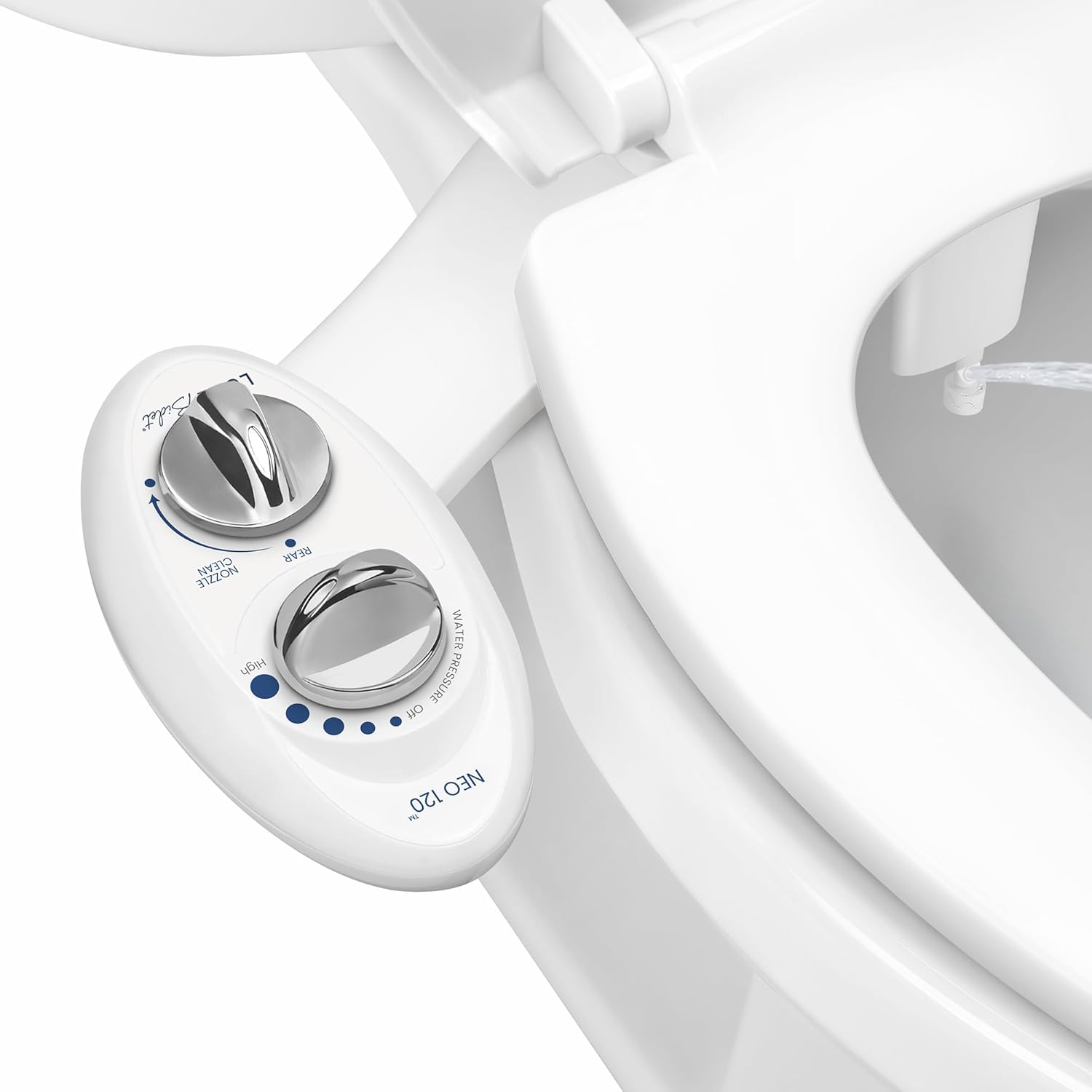
A non-electric bidet attachment mounts between your existing toilet seat and bowl, tapping into the cold-water supply line with a T-valve—no electricity, no permanent changes to the toilet. It is a practical choice because it delivers functional bidet cleansing with a straightforward installation that most renters and owners can complete with basic hand tools. The tradeoff is honest and worth stating plainly: the water is cold, straight from the supply line, which some users find genuinely uncomfortable, especially in winter months. If you are expecting a warm-water experience, a non-electric attachment will not deliver it.
Best for: Renters, first-time bidet users, or anyone whose bathroom lacks a GFCI outlet near the toilet
Check price on Amazon →2. KERDE P30B Electric Bidet Seat — the full-featured electric upgrade
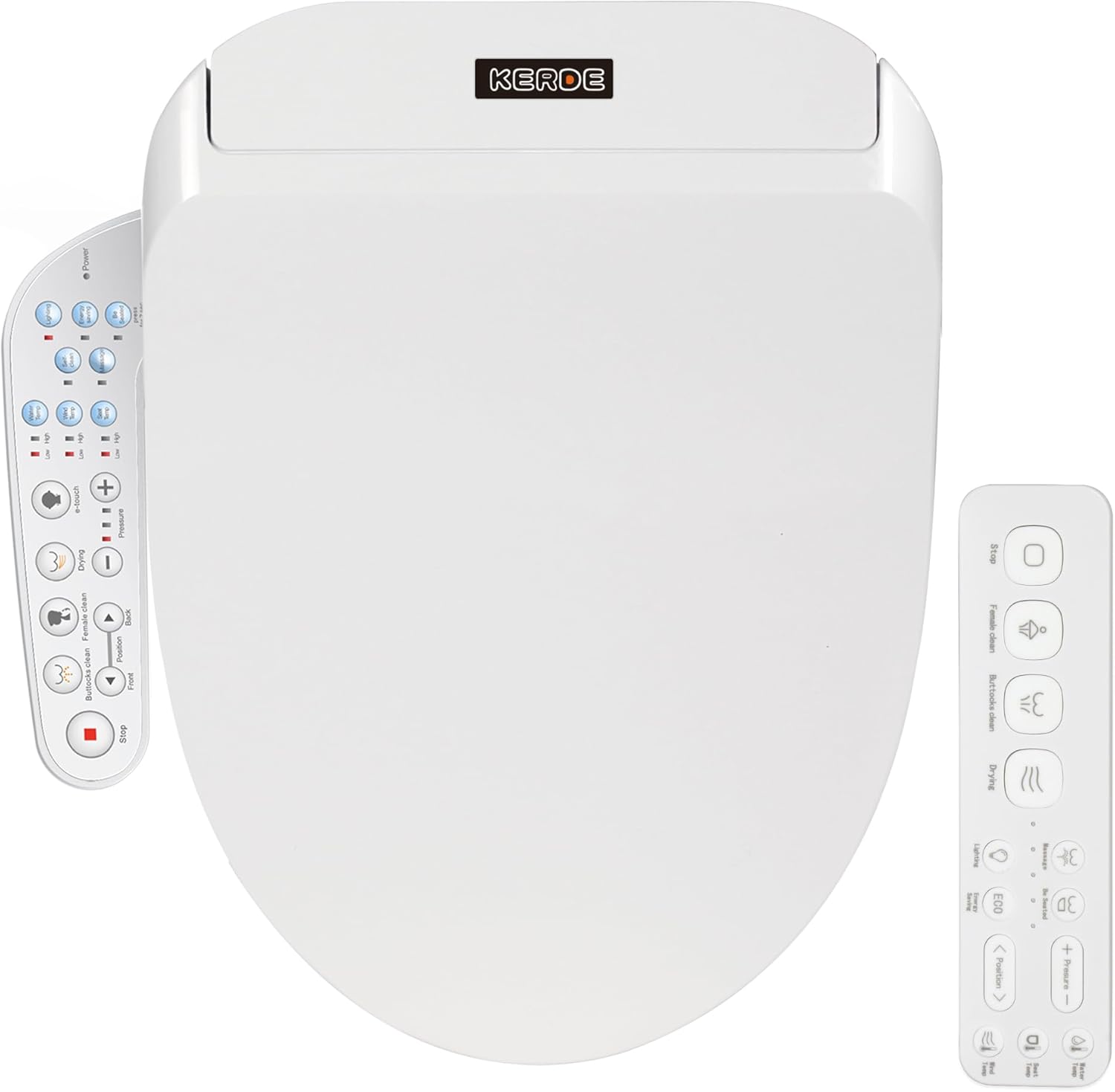
An electric bidet seat replaces your existing toilet seat entirely, bringing heated water, adjustable spray pressure, a warm-air dryer, and a heated seat surface into one unit. It addresses the most common complaint about non-electric attachments—cold water—while adding comfort settings that make bidet use practical year-round. Before ordering, confirm two things: your toilet bowl shape (round or elongated) and the presence of a grounded GFCI outlet within cord reach of the toilet. If neither condition is already met, the seat cannot be safely installed without additional work.
Best for: Homeowners who want heated water and dryer convenience and already have—or are willing to add—a GFCI outlet near the toilet
Check price on Amazon →How to Choose
The single most important question to answer before choosing a product type is whether your bathroom has a grounded GFCI outlet within cord reach of the toilet. Electric bidet seats are not optional about this requirement—plugging one into a standard ungrounded outlet or using an extension cord is a safety hazard in a wet environment. Walk behind your toilet right now and look. Many older bathrooms have no outlet on that wall at all; adding one is electrician work and should be budgeted accordingly. If there is no outlet and you do not want to add one, a non-electric attachment is your path forward. For more detail on what the circuit needs to meet, read Does a Bidet Seat Need Its Own Outlet?
Measure Your Bowl Before Ordering a Seat
If you are considering an electric bidet seat, measure your toilet before purchasing. Toilet bowls come in two standard shapes: round and elongated. Measure from the center of the seat-bolt holes at the back of the bowl straight to the front rim. Round bowls typically measure around 16–17 inches; elongated bowls run closer to 18–19 inches. Order the seat in the shape that matches your bowl; a mismatched seat will overhang or leave a gap at the front. This measurement does not apply to a thin non-electric attachment, which fits most standard bowls without a shape-specific fit requirement.
Cold Water Is a Real Consideration
A non-electric attachment sprays unheated water from your supply line. In a warm climate or a temperate season, many users adapt quickly. In a cold climate or in winter, the experience can be a genuine deterrent to regular use. Be honest with yourself about this before choosing an attachment over an electric seat. Electric seats heat the water internally, which is a significant comfort difference—and the primary functional reason to accept the added installation requirements of an electric seat.
Installation Complexity
Both product types are designed for DIY installation. A non-electric attachment follows the standard procedure: shut off the supply valve at the wall, flush the toilet to drain the tank and line, then install the included T-valve into the supply line between the shutoff valve and the tank. Reconnect the supply line through the T-valve and run the short braided line from the T-valve to the attachment. Plastic compression nuts on these fittings should be hand-tight plus a snug quarter turn—over-tightening cracks the threads. For a full walkthrough, see How to Install a Bidet on an Existing Toilet. An electric seat adds the step of removing your existing seat, and the supply line that feeds it must also connect through a similar T-fitting. If your current supply line or shutoff valve is corroded or the braided hose is stiff and old, replace it before installing either product.
Renter and Reversibility Considerations
A non-electric attachment is fully reversible—remove the attachment, disconnect the T-valve, reconnect the original supply line, and the toilet is exactly as it was. Nothing is drilled, glued, or permanently altered. This makes it a practical choice for renters who want bidet functionality without affecting their tenancy. An electric bidet seat is also removable, but leaving a dedicated GFCI outlet installation behind is a permanent bathroom change that requires landlord approval in most rental situations.
Frequently Asked Questions
Will the bidet attachment work with my existing toilet?
A non-electric bidet attachment mounts between the toilet seat and bowl using the existing seat bolt holes, and connects to the supply line using a standard T-fitting inserted between the shutoff valve and the tank. It is compatible with most two-piece and one-piece toilets, but if your toilet has an unusual tank configuration or a non-standard supply connection, check the manufacturer's compatibility notes before ordering.
Do I need an electrician to install an electric bidet seat?
Not necessarily—but you may. An electric bidet seat must be plugged into a grounded GFCI outlet. If your bathroom already has one within cord reach of the toilet, you can complete the installation yourself. If it does not, adding the outlet is electrician work. Do not use an extension cord, and do not plug the seat into an ungrounded outlet. A GFCI outlet in a wet area is a code requirement in most jurisdictions, not a suggestion.
Why is my bidet not spraying water after installation?
The most common cause is a supply valve that was not fully reopened after installation. Turn the shutoff valve at the wall fully counterclockwise and check again. Also confirm that the T-valve is fully open and that no fitting is cross-threaded, which can block flow even when hand-tight. For electric seats, check that the unit is powered on and that any self-cleaning cycle has completed before the spray function becomes active. A broader troubleshooting checklist is available at Bidet Seat Not Spraying Water? Here's Why.
Is cold-water spray actually uncomfortable enough to matter?
For some users, no—especially in warmer climates or seasons. For others, particularly in winter or in homes with cold incoming water, an unheated spray is a consistent deterrent. A non-electric attachment delivers cold supply-line water with no heating element. If you know you are sensitive to cold water or live in a cold climate, an electric seat's internal water heating is a meaningful advantage, not a luxury add-on.
Can I install either of these in a rental apartment?
A non-electric attachment is the more renter-friendly option by a significant margin. Its installation is fully reversible—no drilling, no permanent changes—and restoring the toilet to its original state takes less than fifteen minutes. An electric bidet seat is also removable, but if your bathroom requires adding a GFCI outlet to use it safely, that electrical work is a permanent alteration that most leases require landlord approval for. Confirm with your landlord before beginning any electrical work.
This guide contains affiliate links. We may earn a small commission at no extra cost to you.