
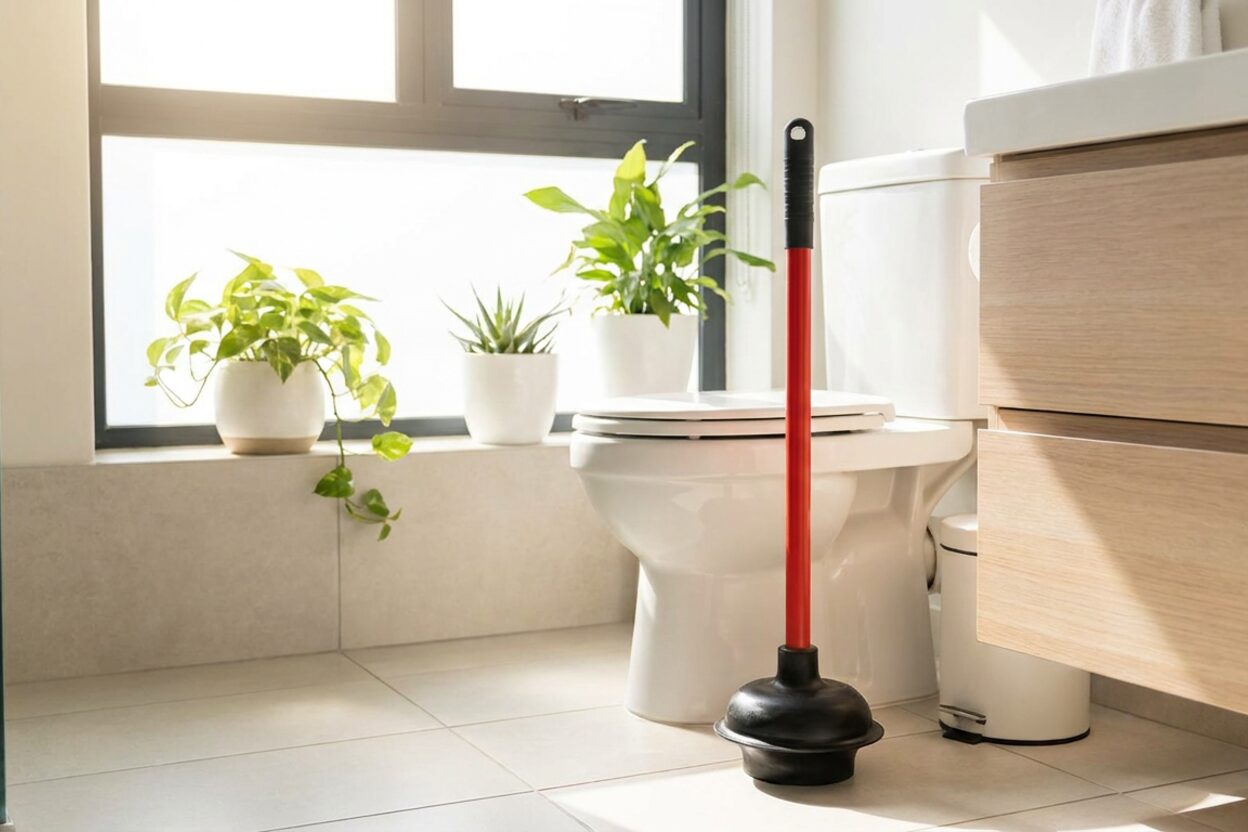
Why Does My Toilet Keep Clogging?

My Toilet Keeps Clogging — What's the Root Cause?
Read full question
Three times in the last month I've had to grab the plunger because my main bathroom toilet keeps clogging up. It's not a new toilet — been in this house for years — but this recurring problem is getting old fast. Planning to tackle this Saturday and figure out what's actually going on before I call anyone in.
The toilet seems to flush okay most of the time, but every now and then it just doesn't clear properly. I'm wondering if it's the toilet itself, something further down the line, or if I've been flushing things I shouldn't. I want to have the right tools and know what I'm looking for before I start poking around.
What should I have ready to diagnose and fix this myself? Is there a logical order to check things so I'm not just guessing?
Quick Answer
A repeatedly clogging toilet usually points to one of a few culprits: what's being flushed, a low-flush toilet struggling with the load, a partial blockage in the trap or drain line, or — less commonly — a venting problem. Start with the cheapest, simplest fixes first and work your way up only if needed.
Start With the Cheapest Fix: Rule Out What's Being Flushed
Before Saturday's project goes any further than grabbing a plunger, it's worth a quick audit of what's going into the bowl. This costs nothing and catches the problem more often than you'd think. Wipes are a very common repeat offender — even products labeled "flushable" don't break down the way toilet paper does and they accumulate in the trap and drain line over time. Paper towels, cotton balls, feminine hygiene products, and excessive toilet paper in a single flush all cause the same issue.
If anything other than toilet paper and human waste has been going down that toilet, start there. Switch habits first, then see if the clogging stops over the next few weeks. If it does, you've solved the problem for free.
The Plunger Test — and Making Sure You're Using the Right One
If flushing habits aren't the issue, the next step is a proper plunging session — and the tool matters. A standard cup plunger (the flat-bottomed kind) isn't designed for toilets. You want a flange plunger, which has an extended rubber flap that seals into the toilet's curved drain opening. Using the wrong plunger is like trying to open a can with a butter knife.
To plunge correctly:
- Make sure there's enough water in the bowl to cover the plunger head — add water from a bucket if needed, but don't flush again if the bowl is full or you risk overflow.
- Seat the flange plunger firmly into the drain opening to create a good seal.
- Push down slowly to expel air, then pull back sharply and repeat — it's the pull stroke that does most of the work.
- After 15–20 strokes, try a slow flush. If water drains freely, you've cleared it.
Do not use liquid chemical drain cleaners in a toilet. Products like Drano are caustic, rarely effective on toilet clogs, and create a serious splash-back burn hazard for anyone who plunges afterward. Stick with mechanical methods.
Tools to Have Ready Saturday
- Flange plunger
- Toilet auger (also called a closet auger) — a standard model handles most clogs in the trap and just beyond; check that it's rated for toilet use
- Rubber gloves
- Old towels or a tarp for the floor
- A bucket
If Plunging Doesn't Clear It: The Toilet Auger
A toilet auger is the next step up in both effectiveness and cost — but it's still well within the DIY budget and worth owning if you have recurring clogs. It's a flexible cable with a protective rubber sleeve designed to snake through the toilet trap without scratching the porcelain. Feed it in, crank the handle until you feel resistance, then work it through or hook the obstruction and pull it out.
The auger handles the vast majority of clogs that are sitting in the toilet trap or just beyond it in the drain. If the auger clears the clog and the toilet flushes normally, you're done. If it keeps coming back within days or weeks, the problem is somewhere further down the line.
Recurring Clogs After Clearing: Dig Deeper
When a toilet clogs repeatedly even after a good plunging or augering, a few other culprits come into play:
Low-Flush or Older Toilet
Early low-flow toilets — particularly those manufactured in the 1990s and early 2000s before bowl and trap geometry improved — were known for weak flushing performance. They used less water but didn't have the bowl and trap geometry to move waste effectively. If your toilet is older and this has always been a periodic issue, the toilet itself may simply not have enough flushing power. Newer WaterSense-certified low-flow models are engineered far better and rarely have this problem.
Partial Drain Line Blockage
A partial blockage further down the drain line — past where a standard auger reaches — will let most flushes pass but catch up on heavier loads. This often shows up as a toilet that drains slowly before eventually clogging. A longer drain snake (hand-operated or rented as a motorized unit) can reach further into the line. You can also check by flushing a couple of times in quick succession: if the bowl rises before slowly draining, there's resistance somewhere downstream.
Venting Problems
Every drain line is connected to a vent stack that runs up through the roof, allowing air into the system so water flows freely. If that vent is partially blocked — by leaves, a bird nest, or debris — the toilet can drain sluggishly and seem to clog more easily. A sign of this is a gurgling sound from the toilet after it flushes, or slow drainage even when the line appears clear. Clearing a roof vent is possible as a DIY project but involves ladder and roof work, so factor that into your safety comfort level.
When to Call a Plumber
Some situations are genuinely beyond a weekend fix, and it's important to recognize them:
- Multiple fixtures backing up at once — if your sinks, tub, or other toilets also drain slowly or back up when you flush, that points to a main sewer line blockage, not the toilet itself. This needs professional equipment to clear.
- Sewage backing up into the tub or other drains — stop using the plumbing and call immediately.
- Persistent sewer odor — may indicate a venting issue or a damaged drain line.
- A cracked bowl or damaged trap visible in the porcelain — the toilet needs replacement.
For more guidance on related drain issues, the clogs and blockages category covers slow drains, augering technique, and what to do when DIY methods fall short.
Saturday Game Plan, Ordered by Cost
- Free: Audit flushing habits — eliminate anything that isn't toilet paper.
- Low cost: Plunge with a proper flange plunger.
- Moderate cost: Use a toilet auger to clear the trap and nearby drain.
- Rental or service cost: Rent a longer motorized drain snake or have a plumber camera-inspect the line if clogs persist.
Work through that list in order and you'll know by the end of the day whether this is a simple fix or something that needs more attention. Most repeat cloggers are resolved at step one or two.
 Closet Auger, 6 ft Cable Lg, 1/2 in Cable Dia, Power Drill Compatible, Bulb Head, Manual Cable Feed - 1 Each
View on Amazon →
Closet Auger, 6 ft Cable Lg, 1/2 in Cable Dia, Power Drill Compatible, Bulb Head, Manual Cable Feed - 1 Each
View on Amazon →
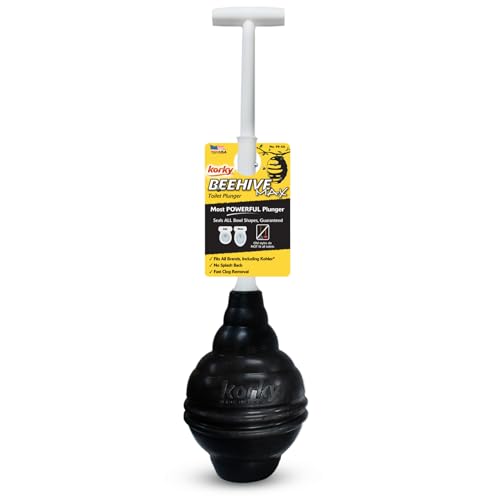 Korky BeehiveMAX Heavy Duty Toilet Plunger - Seals All Bowl Shapes – Powerful Clog Removal
View on Amazon →
Korky BeehiveMAX Heavy Duty Toilet Plunger - Seals All Bowl Shapes – Powerful Clog Removal
View on Amazon →

Still need help? Ask a Plumbing Expert AD
Get a personalized answer from a verified plumbing expert. Describe your issue and get step-by-step help.